
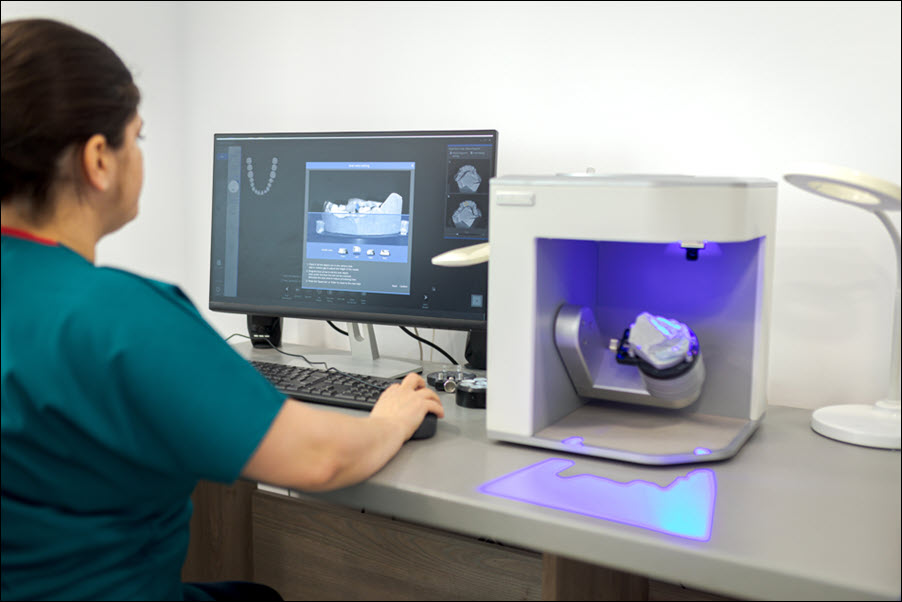
The Process of Full-Mouth Reconstruction
Full-mouth reconstruction restores both function and appearance for patients with extensive dental problems. Combining restorative and cosmetic procedures, it rebuilds smiles affected by decay, trauma, or disease. While the process can be complex, it delivers life-changing results. Patients gain confidence, health, and renewed quality of life.
Comprehensive Examination and Planning
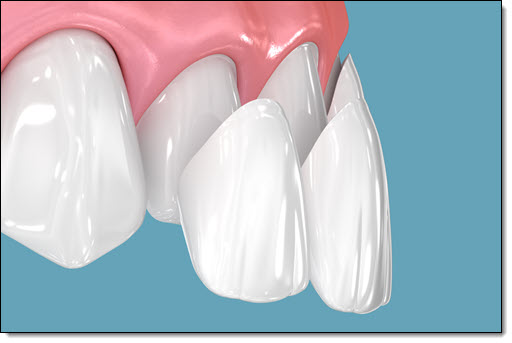 The process begins with a detailed exam, including X-rays, scans, and impressions. Dentists evaluate tooth structure, bite alignment, and gum health. They discuss goals with the patient, creating a customized treatment plan. Planning may involve collaboration with specialists such as periodontists or oral surgeons. This comprehensive approach ensures no detail is overlooked.
Step-by-Step Treatment
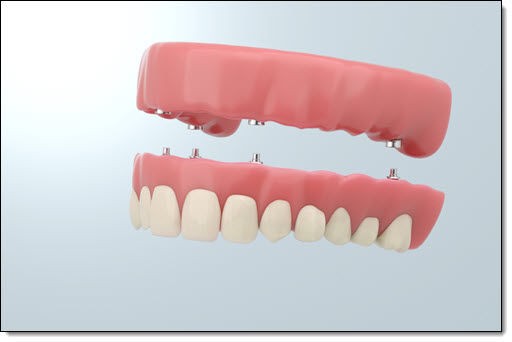
Reconstruction may include multiple procedures: fillings, crowns, implants, veneers, or orthodontics. Treatments are scheduled in phases, prioritizing urgent needs like infection control. Crowns and bridges restore strength, while implants replace missing teeth. Orthodontics correct alignment, and veneers or whitening improve aesthetics. Patients progress gradually, ensuring healing and comfort at each stage.
Technology and Precision
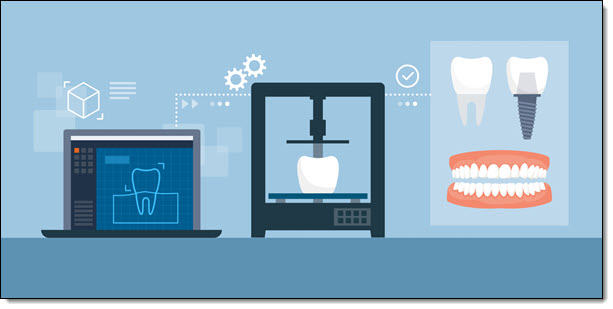
Digital imaging and CAD/CAM technology enhance accuracy. 3D scans help design restorations that fit precisely and look natural. Same-day crowns or temporary restorations provide function during treatment. Advanced materials ensure durability and lifelike appearance. Technology streamlines reconstruction while improving results.
Emotional and Functional Benefits
Beyond restoring teeth, full-mouth reconstruction transforms lives. Patients regain confidence to smile, speak, and eat freely. Improved bite alignment reduces jaw pain and headaches. A healthy, attractive smile positively impacts social interactions and self-esteem. These benefits extend well beyond the dental chair.
Full-mouth reconstruction is a journey toward renewed oral health and confidence. Through careful planning, advanced technology, and step-by-step treatment, dentists rebuild smiles with precision. Patients experience improved function, aesthetics, and quality of life that lasts for decades.
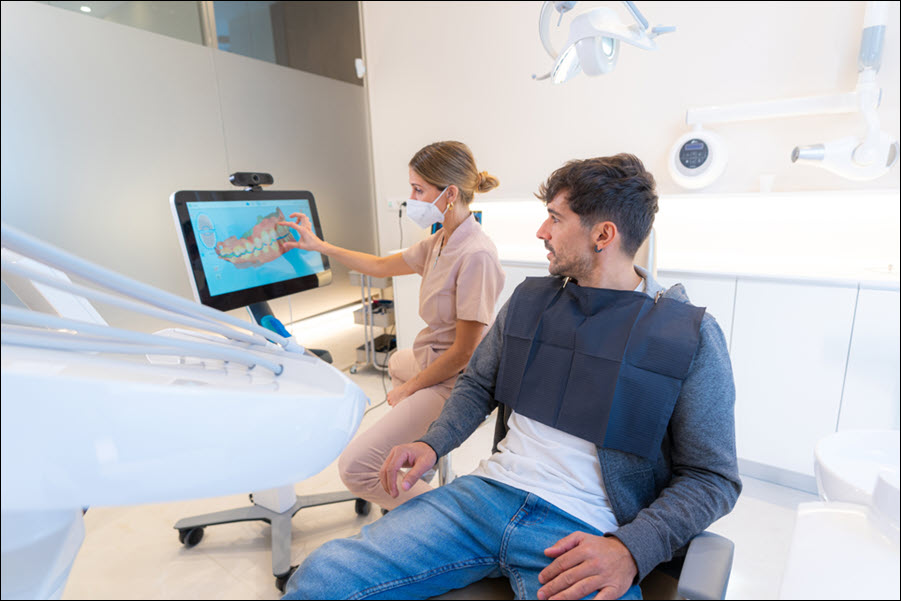
 Artificial intelligence already supports radiologists in medicine, and dentistry is next. AI systems can analyze digital X-rays and scans, identifying cavities, bone loss, or infections with remarkable accuracy. This reduces human error and ensures early detection. Dentists remain in control but gain powerful decision-making support. Patients receive more reliable diagnoses and timely treatments.
 Future imaging systems will offer more immersive patient experiences. Virtual reality simulations may allow patients to “try on” potential smiles before treatment. Augmented reality could overlay treatment plans directly onto digital scans, giving patients clearer visualizations. These innovations enhance trust and satisfaction by making dentistry more interactive.