
Dental Care During Pregnancy: What Expecting Mothers Need to Know
Pregnancy is a time of great excitement and significant changes in a woman’s body. While expecting mothers often focus on their overall health and nutrition, dental care is another critical aspect that should not be overlooked. Hormonal changes during pregnancy can impact oral health. This makes it essential for pregnant women to maintain a proactive dental care routine. Understanding the importance of dental care during pregnancy can help ensure both the mother’s and baby’s well-being.
The Importance of Oral Health During Pregnancy
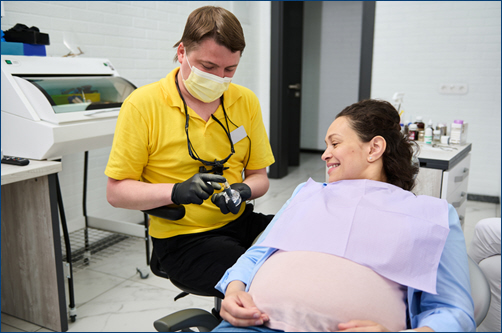 Hormonal Changes and Gum Health: During pregnancy, increased levels of hormones like progesterone and estrogen can lead to an exaggerated response to plaque, causing inflammation of the gums, known as pregnancy gingivitis. This condition affects nearly 60-70% of pregnant women. It can result in swollen, tender gums that may bleed during brushing and flossing. If left untreated, gingivitis can progress to more severe forms of periodontal disease.
- Risks of Poor Oral Health: Studies have shown a connection between gum disease and adverse pregnancy outcomes. This includes premature birth and low birth weight. Maintaining good oral hygiene can help reduce these risks and contribute to a healthier pregnancy. It is crucial for expecting mothers to prioritize their oral health to safeguard their well-being and that of their unborn child.
Dental Care Tips for Expecting Mothers
- Maintain a Good Oral Hygiene Routine: Brushing twice a day with fluoride toothpaste and flossing daily are essential practices for maintaining oral health during pregnancy. Using an antimicrobial mouthwash can also help reduce plaque and bacteria. Regular cleaning helps prevent gum disease and reduces the risk of cavities.
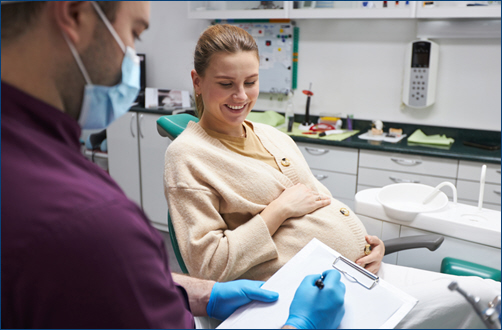
- Schedule Regular Dental Check-Ups: Pregnant women should inform their dentist about their pregnancy and schedule regular check-ups. Dental visits during pregnancy are safe and necessary to monitor oral health and address any emerging issues. Dentists can provide personalized advice and treatments to manage pregnancy-related dental concerns.
- Manage Morning Sickness: Nausea and vomiting associated with morning sickness can expose teeth to stomach acids, increasing the risk of enamel erosion. To mitigate this, rinse the mouth with water or a fluoride mouthwash after vomiting, and wait at least 30 minutes before brushing to avoid further damage to the enamel.
Foods and Nutrition for Oral Health
- Eat a Balanced Diet: A healthy diet rich in vitamins and minerals supports both oral health and fetal development. Foods high in calcium, such as dairy products, leafy greens, and almonds, contribute to strong teeth and bones. Vitamin C-rich foods, like citrus fruits and berries, help maintain healthy gums.
- Limit Sugar Intake: Reducing sugary snacks and drinks can help prevent cavities and maintain good oral health. Opt for nutritious snacks like fruits, vegetables, and nuts to satisfy cravings while providing essential nutrients.
Dental care is a vital component of overall health during pregnancy. By maintaining good oral hygiene practices, scheduling regular dental check-ups, and focusing on a balanced diet, expecting mothers can protect their oral health and contribute to a healthy pregnancy. With proper care and attention, both mother and baby can enjoy the benefits of excellent oral health throughout this special time.

 Comprehensive Dental Services