
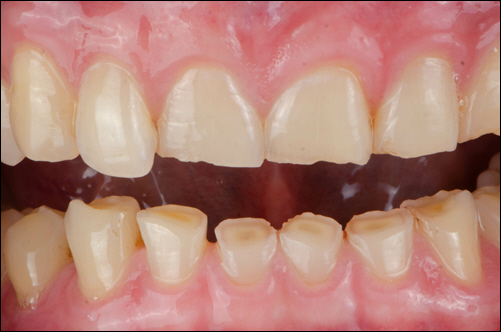
Bruxism: How Teeth Grinding Can Affect Your Smile
Do you wake up with a sore jaw, sensitive teeth, or a headache? You may be experiencing bruxism, a condition involving repeated teeth grinding or clenching. Because bruxism often happens while you are sleeping, you may not even realize you are doing it.
At Shpritz Family Dental, we can evaluate your teeth and jaw for signs of grinding and recommend ways to help protect your smile from unnecessary wear and damage.
What Is Bruxism?
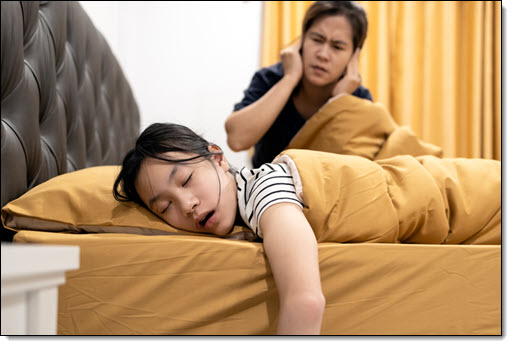 Bruxism is the medical term for grinding, clenching, or tightly pressing your teeth together. It can occur during the day or while you sleep.
Occasional teeth clenching may not cause significant problems. However, frequent or forceful grinding can place considerable pressure on your teeth, jaw muscles, and dental restorations.
Sleep bruxism can be especially difficult to identify. Sometimes a spouse or family member notices the sound of grinding before the patient recognizes any symptoms.
What Are the Signs of Bruxism?
Symptoms vary from person to person. Some patients experience jaw discomfort, while others first notice changes in their teeth.
Possible signs of bruxism include:
- Worn or flattened teeth
- Chipped or cracked enamel
- Increased tooth sensitivity
- Jaw soreness or tightness
- Morning headaches
- Facial muscle discomfort
- Damage to fillings or crowns
- Grinding sounds during sleep
These symptoms can have other causes. Therefore, a dental examination is important for determining whether teeth grinding may be responsible.
What Causes Teeth Grinding?
Bruxism does not always have a single identifiable cause. Stress and anxiety may contribute to awake teeth grinding or clenching. Sleep bruxism can involve different factors.
Certain medications, sleep disorders, lifestyle habits, and other health factors may also contribute.
If you suspect you grind your teeth, discuss your symptoms and health history with your dentist rather than assuming stress is the only cause.
Can Bruxism Damage Your Teeth?
Repeated grinding can gradually wear away protective tooth enamel. Teeth may become shorter, flatter, more sensitive, or more vulnerable to chips and fractures.
Severe wear can eventually affect the appearance and function of your smile.
Bruxism may also damage existing dental work. Fillings, crowns, veneers, and other restorations can experience excessive pressure from repeated grinding and clenching.
Identifying the problem early may help prevent more extensive dental damage.
Can a Nightguard Help With Bruxism?
For some patients, a custom nightguard can help protect the teeth while sleeping. The appliance creates a barrier between the upper and lower teeth, reducing direct tooth-to-tooth contact.
A nightguard does not necessarily stop the underlying grinding behavior. Instead, its primary purpose is to protect your teeth from damaging forces.
A custom nightguard is made specifically for your mouth, providing a secure fit based on your teeth and bite.
How Can You Protect Your Teeth?
In addition to wearing a nightguard when recommended, pay attention to daytime clenching. If you notice yourself tightening your jaw, consciously relax your facial and jaw muscles.
Avoid chewing ice, pens, or other hard objects that place additional stress on your teeth.
Regular dental examinations are also important because your dentist may identify signs of grinding before you notice them yourself.
Don’t Ignore the Signs of Bruxism
Teeth grinding can cause gradual damage that becomes more difficult to repair over time. Early evaluation can help protect your natural teeth and existing dental restorations.
Shpritz Family Dental provides comprehensive dental care to help patients protect their teeth from grinding, clenching, and excessive wear. If you experience jaw soreness, morning headaches, tooth sensitivity, or other signs of bruxism, contact our office to schedule an evaluation.