
Overbite Correction: Causes, Effects, and Modern Treatment Options
An overbite occurs when the upper front teeth overlap the lower front teeth more than normal. While a slight overbite is common, a pronounced one can affect appearance, comfort, and oral health. Understanding overbite correction helps you choose the right treatment and protect your smile.
What Causes an Overbite?
Several factors can lead to an overbite. Genetics often play the biggest role. Jaw size and tooth alignment are inherited traits that influence how your bite develops.
Childhood habits can also contribute. Prolonged thumb sucking, pacifier use, or tongue thrusting can shift teeth over time. Missing or crowded teeth may worsen alignment issues as well.
Identifying the cause helps your dentist or orthodontist recommend the most effective correction method.
Problems Linked to an Untreated Overbite
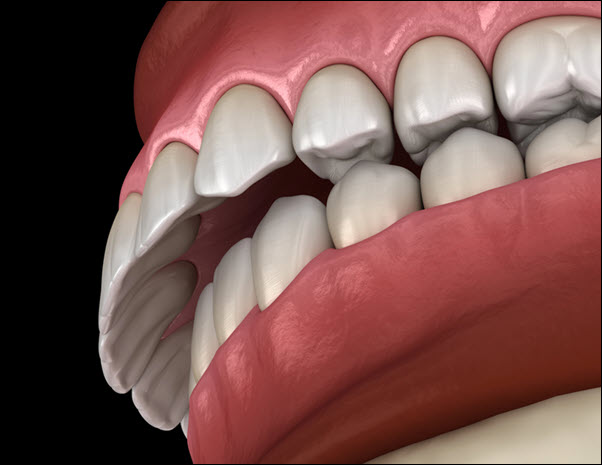 A severe overbite can create more than cosmetic concerns. It may lead to uneven tooth wear, which weakens enamel and increases the risk of damage.
Jaw pain and discomfort are also common. Misalignment places extra strain on the jaw joint, which can contribute to TMJ symptoms. Some patients experience headaches, speech issues, or difficulty chewing.
Overbites can also affect confidence. Many people seek treatment to improve both function and appearance.
Treatment Options for Overbite Correction
Modern dentistry offers several ways to correct an overbite. Orthodontic treatment remains the most common solution. Braces gradually shift teeth into proper alignment, improving both bite and appearance.
Clear aligners provide a more discreet option. These removable trays move teeth over time without the need for metal brackets. Many adults prefer this method for its convenience and subtle appearance.
In more severe cases, additional treatments may be necessary. Tooth extractions, bite-correcting appliances, or even jaw surgery may be recommended to achieve proper alignment.
Your orthodontist will create a personalized treatment plan based on the severity of your overbite.
How Long Does Treatment Take?
Treatment time varies depending on the complexity of the case. Mild overbites may correct within several months, while more severe cases can take one to two years.
Consistency plays a key role in success. Following your orthodontist’s instructions, wearing aligners as directed, and attending regular appointments help ensure optimal results.
Maintain Results After Treatment
After correcting an overbite, you will likely need to wear a retainer. Retainers keep teeth in their new position and prevent shifting over time.
Good oral hygiene also supports long-term results. Brushing, flossing, and regular dental visits help maintain a healthy, aligned smile.
Achieve a Balanced, Healthy Smile
Overbite correction improves both function and appearance. With modern treatment options, you can achieve a balanced bite and a confident smile.
If you notice alignment issues or discomfort, consult a dental professional. Early evaluation and treatment lead to better outcomes and long-lasting results.